


Kids360: Parental Control App
4.2843.00 Reviews
App Specs
- Version
- 2.80.4
- Updated On
- License
- Free
- Downloads
- 10,000,000+
- Developer
- MINDCARE LAB LTD
- Categories
- Parenting
- Platform
- Android, iOS
Screenshots

 Analysis by AppCompare
If you're a parent in today's fast-paced digital world, you've probably had that moment where you wonder what exactly your child is doing on their smartphone. I've been there too. Enter Kids360: a parental control app designed to keep you in the loop and help you make more deliberate choices about your child's phone use.
What to expect before you install
I think it helps to approach a parental-control app as a tool for setting boundaries, not as a way to remove every worry about a child's online life. Kids360 brings together location awareness and screen-time controls, so it is most useful when you already know what you want to manage: for example, checking that a child has arrived somewhere, or agreeing on when games and other phone activities should pause.
That combination makes it different from relying only on a phone's built-in screen-time settings. Those controls may be enough if your main goal is to put a limit on device use. Kids360 is worth considering when you also want a parent-focused view of location and usage in one place. On the other hand, if location monitoring feels unnecessary to your family, or you only need a simple time limit, a built-in option may be a better fit and involve less to set up.
The app is in the parenting category, is free to install, and comes from ANKO Solutions LLC. It has a 4.5 average from around 230,000 ratings and has been installed over 10 million times. It is rated for Everyone. Those figures show that it is widely used, but they cannot tell you whether its approach will suit your household; the important question is whether your child understands the rules you plan to use it for.
What Exactly is Kids360?
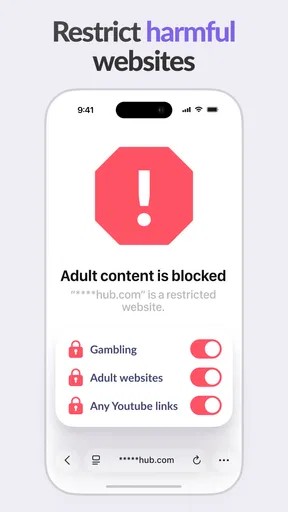
Kids360 is a handy app that helps parents monitor and manage their child's smartphone usage. It's like having a digital babysitter, but way cooler. You can track their location, set screen time limits, and even block inappropriate apps. Sounds like a lifesaver, right?
Getting Started is a Breeze
Setting up the app is as easy as pie. Just download it on your device and your child's, and follow the simple setup instructions. The interface is pretty intuitive, so you won't be scratching your head trying to figure it out. I was up and running in no time.
For a first-time setup, I would begin with one clear goal instead of trying to configure everything at once. Install the app on the devices involved, follow the prompts, and check that the parent and child sides are paired as intended. Then test the particular task you care about, such as checking the location or setting a screen-time boundary, while you and your child are together. A small test makes it easier to spot a setup misunderstanding before you depend on the app during a busy day.
Worth Reading Before You Choose

EA SPORTS FC Mobile 26 Is a Bigger Football Game, but It Takes Time

Flipboard Shows What News Apps Must Do Beyond the Feed

Switching to Android Auto Means Rethinking Your Driving Routine

Google Calendar Makes a Crowded Week Easier to Manage

Ludo King Makes the Most of the Minutes Between Plans

Baby Panda World Brings Quick Play to Modern Phones, but Its Game Library Feels Busy
It is also worth agreeing on the reason for using it before you switch on controls. A child who knows that location is being checked for safe arrival, or that a limit is meant to protect sleep and homework time, is less likely to experience the app as a surprise punishment. I find that a short, plain explanation is more useful than presenting monitoring as a secret. The app can support a family agreement, but it cannot replace one.
Features That Stand Out
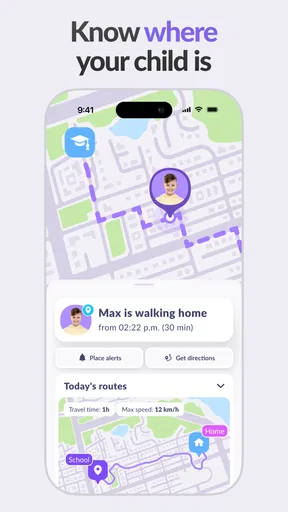
One of the standout features is the real-time location tracking. It's a relief to know where your child is at all times, especially when they're out and about. The app also lets you create safe zones, and you get alerts if your child wanders off. It's like having a digital leash, but without the drama.
A practical first success might be a child walking home from school or visiting a friend. Before relying on an alert, I would check the location view together and make sure everyone understands what the notification means. Location information is a useful reassurance, not a guarantee that a child is safe or that a device is always being carried. If a phone is left in a bag, turned off, or otherwise unavailable, the parent still needs ordinary check-in plans.
For a family that uses safe zones, it helps to choose places that match a real routine rather than drawing boundaries around every stop. A home or regular destination can make an alert meaningful; too many zones can turn a useful signal into noise. I would also avoid treating every alert as evidence of a problem. Children may take a different route, stop briefly, or have a normal change of plan, so it is better to use the notification as a prompt to check in calmly.
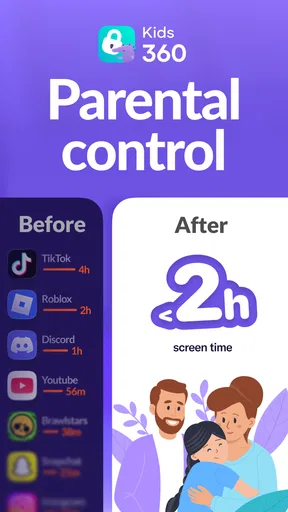
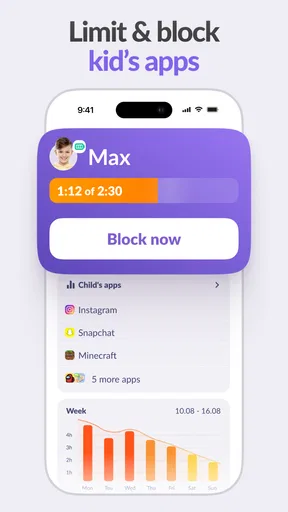
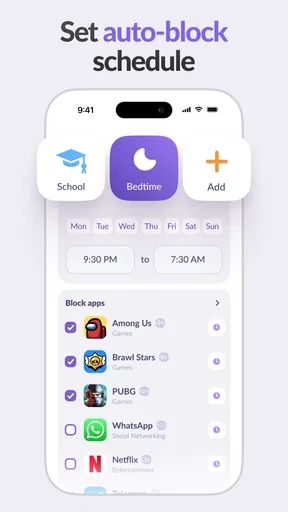
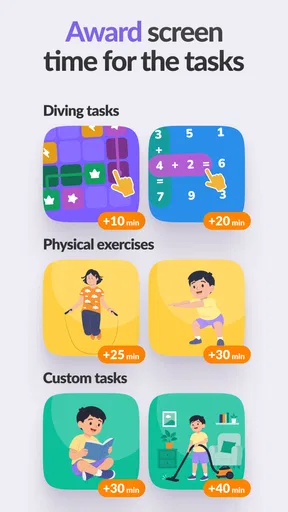
Screen time management is another gem. You can set daily limits and even schedule breaks. It's perfect for ensuring that your kids aren't glued to their screens 24/7. Plus, you can block those pesky apps that you don't want them diving into.
To make time rules workable, I would start with the part of the day that causes the most friction instead of imposing a complicated schedule immediately. For instance, a parent might agree that entertainment apps pause during homework or at bedtime, while leaving room for a child to use a phone for a practical reason. A limit is easier to accept when it reflects a household routine and the child knows what to expect when it takes effect.
Blocking an app can also solve one problem while creating another. If a child uses the same device for school, communication, and leisure, a broad restriction may interfere with a legitimate task. Before applying a block, I would talk through what the app is used for and check whether the restriction fits that use. The useful distinction is between limiting distracting use and cutting off something a child genuinely needs.
User Experience
Using Kids360 feels like a breeze. The app's design is clean and straightforward, making navigation easy for even the most tech-challenged among us. The notifications are timely and not overwhelming, which is a big plus in my book.
Even with a clear interface, it is easy to confuse a setting with a complete solution. A screen-time rule can help structure phone use, but it does not settle disagreements about exceptions, and a location alert does not replace a message or a direct conversation when plans change. I would keep the first week simple: use one or two controls, see how they fit the family routine, and adjust after discussing what worked.
That gradual approach is especially helpful if more than one adult is involved in parenting. Agreeing on the same expectations before using the controls can prevent one parent from treating a setting as strict while another routinely makes exceptions. The app is most useful when the adults use it consistently and explain changes, rather than letting a notification decide the whole conversation.
Kids360 is free to install, with optional in-app purchases listed from $0.99 to $99.99 per item. I would treat that as a reason to review any purchase choice carefully rather than assume every capability is included at no cost. The current version is 2.72.0, and the stated minimum operating system is 7.0. Before setting it up, check that the devices you intend to use meet that requirement and consider whether any paid option is actually needed for your family’s goals.
Is It Worth It?
So, is Kids360 the holy grail of parental control apps? For the most part, yes. It offers a solid range of features that cater to most parents' needs. It's reliable, easy to use, and provides peace of mind. However, nothing's perfect, right? The app occasionally lags, but honestly, it's a minor hiccup in an otherwise stellar performance.
That occasional lag matters most when you expect an immediate answer. If you are checking a child’s location in a time-sensitive situation, I would not make an app the only way to communicate or confirm a plan. A direct call or agreed check-in is still the sensible backup. For routine screen-time boundaries, a brief delay may be less disruptive, but it is worth noticing whether the app behaves consistently on the devices in your household.
For a realistic everyday routine, imagine a child leaving school, stopping at a friend’s home with permission, and later starting homework. A parent can use the location view as one way to check the expected trip, then rely on a conversation if the plan changes. At homework time, a screen-time boundary can support the agreed routine. This is where the app makes most sense to me: as a practical reminder and a shared reference point, rather than a substitute for trust or parental judgment.
Families who want location awareness alongside screen-time management may find that combination more convenient than juggling separate tools. Families who only want to reduce distracting phone use may prefer the built-in controls on their devices. And parents looking for a way to avoid discussing rules altogether should probably skip parental-control software for now; settings can enforce limits, but they cannot explain why a limit is fair or resolve conflict about it.
In a nutshell, if you're looking for a comprehensive parental control app that keeps your child's digital life in check, Kids360 is a fantastic choice. It's like having an extra pair of eyes, ensuring your little ones are safe while they explore the wonders of the internet.
My recommendation is to install it only after deciding on one specific first goal, then test that goal with your child before depending on it. If the setup supports a conversation you already want to have—about a safe arrival, an app boundary, or time away from a screen—it can be a helpful part of family life. If your needs are narrower, or if monitoring would undermine trust in your household, a simpler option or a direct agreement may serve you better.
Pros
- Easy-to-use interface for parents.
- Real-time location tracking feature.
- Customizable screen time limits.
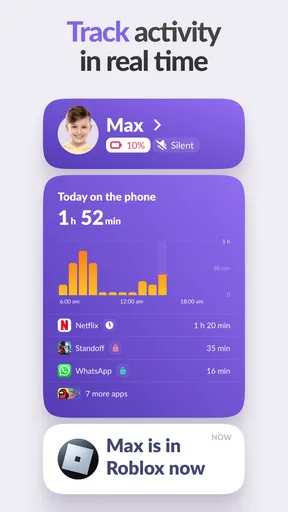
- App usage reports available.
- Supports multiple child profiles.
Cons
- Limited features in free version.
- Drains battery with constant tracking.
- Setup can be confusing for some.
- Requires stable internet connection.
- Some features require separate purchase.
FAQs for Kids360: Parental Control App
What is Kids360 and how does it work?
Kids360 is a comprehensive parental control app designed to help parents monitor and manage their children's smartphone usage. It provides tools such as screen time limits, app usage tracking, and location monitoring. Parents can set up profiles for each child and customize settings according to their needs, ensuring a balanced digital experience.
Is Kids360 compatible with both Android and iOS devices?
Yes, Kids360 is compatible with both Android and iOS platforms. This ensures that parents can manage devices across different operating systems seamlessly. The app provides a consistent experience on both platforms, allowing parents to access all features, such as screen time management and location tracking, regardless of the device type.
How secure is the Kids360 app in terms of data privacy?
Kids360 prioritizes user privacy and data security. The app employs encryption to protect sensitive information, ensuring that your data remains confidential. Additionally, Kids360 complies with data protection regulations, and parents can rest assured knowing that their family's data is handled with the utmost care and security standards.
Can Kids360 monitor multiple devices at once?
Yes, Kids360 allows parents to monitor multiple devices simultaneously. This is especially useful for families with more than one child. Parents can create individual profiles for each child, customize monitoring settings, and track each device's usage and location, all from a single interface, making it convenient and efficient to manage.
What are the main features of Kids360 that benefit parents?
Kids360 offers a range of features designed to assist parents in managing their children's digital habits. Key features include real-time location tracking, screen time management, app usage monitoring, and customizable alerts. These tools help parents ensure their children are using their devices responsibly, fostering a healthier digital lifestyle.


